
When Should My Child See an Orthodontist?
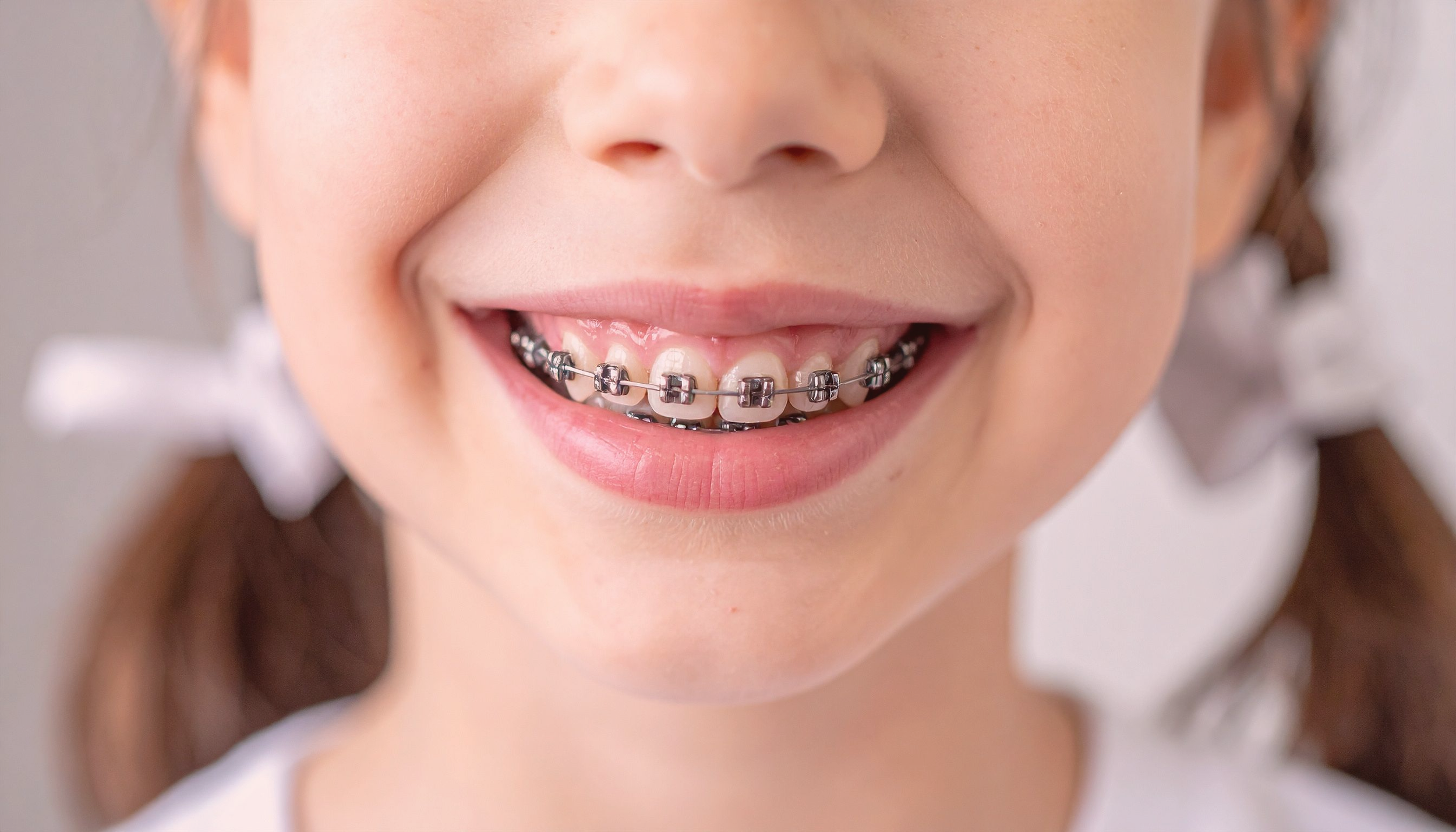
As parents, we want nothing but the best for our children's health and well-being, including their smiles. A bright, healthy smile not only boosts confidence but also supports proper eating, speaking, and overall development. But when it comes to orthodontics, many parents find themselves asking a key question: when should my child see an orthodontist? At Turley Orthodontics and Pediatric Dentistry in Manhattan Beach, we understand these concerns. With over 40 years of combined expertise in orthodontic and pediatric care, our family-run practice is dedicated to guiding families through every stage of dental development.
In this blog, we'll explore the ideal timing for your child's first orthodontic visit, common signs that indicate a need for evaluation, the benefits of early intervention, and much more. Whether you're noticing subtle changes in your child's bite or simply planning ahead, understanding these aspects can help ensure a smoother path to a beautiful smile. Let's dive in and demystify the process of early orthodontics.
Understanding the Role of an Orthodontist in Child Dental Health
Orthodontists are dental specialists trained to diagnose, prevent, and treat misalignments in teeth and jaws. Unlike general dentists, orthodontists undergo additional years of education focused solely on orthodontics, making them experts in creating balanced, functional smiles. At Turley Dental, our orthodontists, Dr. Patrick Turley and Dr. Connor Turley, bring a unique blend of experience and modern techniques to address everything from simple crowding to complex jaw issues.
But why focus on children? Children's jaws and teeth are still developing, providing a window of opportunity for early corrections that can prevent more serious problems later. The American Association of Orthodontists (AAO) emphasizes that early evaluations allow orthodontists to monitor growth patterns and intervene when necessary. This proactive approach aligns perfectly with our practice's philosophy of preventive care, where we treat each child as an individual with unique needs.
Child needs orthodontist early on, it's important to note that not every child will require immediate treatment. However, recognizing potential issues can make a significant difference. For instance, if your child shows early signs of misalignment, an orthodontist can guide jaw growth to create space for permanent teeth, reducing the likelihood of extractions or lengthy treatments in the future.
The Recommended Child Orthodontist Age: Why Age 7 Matters
One of the most common queries we hear is about the child orthodontist age recommendation. According to the AAO, every child should have their first orthodontic visit no later than age 7. This might seem surprisingly early, especially since many children still have a mix of baby and permanent teeth at this stage. However, this timing is strategic.
By age 7, the first permanent molars and incisors have typically erupted, allowing orthodontists to assess bite relationships, jaw alignment, and potential crowding. At Turley Dental, Dr. Patrick Turley, with his dual expertise in orthodontics and pediatric dentistry, often identifies subtle issues during these evaluations that could worsen without attention. For example, habits like thumb-sucking beyond age 5 or mouth breathing can affect jaw development, and early detection enables gentle corrections.
It's worth noting that an early orthodontic evaluation age 7 doesn't always mean starting treatment right away. In many cases, we simply monitor progress with periodic check-ups. This "wait and see" approach ensures interventions happen at the optimal time, often between ages 8 and 14 when growth spurts occur. Our goal is to make the process as efficient and comfortable as possible, drawing on Dr. Connor Turley's modern training in digital treatment planning for precise, personalized care.
Signs Your Child Needs an Orthodontist: What to Watch For
The AAO's guideline is a great starting point, some children may need an evaluation earlier if certain red flags appear. Recognizing these signs child needs orthodontist can help you act promptly. Here are key indicators to observe:
Early or Late Loss of Baby Teeth: Baby teeth typically start falling out around age 6, with all permanent teeth in by age 12-13. If your child loses teeth much earlier or later, it could signal spacing or alignment problems.
Crowded, Crooked, or Protruding Teeth: Overlapping or uneven teeth are common signs. At Turley Dental, we often see this in children with narrow jaws, where early expansion can create necessary space.
Difficulty Chewing, Biting, or Speaking: If your child struggles with these functions, it might indicate a bite issue like an overbite, underbite, or crossbite. These can also lead to uneven wear on teeth or jaw pain.
Persistent Habits: Thumb-sucking, tongue-thrusting, or pacifier use past age 5 can shift teeth and alter jaw shape. Our team uses gentle behavior management techniques to address these, integrating insights from Dr. Patricia Turley's 30+ years in pediatric dentistry.
Mouth Breathing or Snoring: These could point to airway issues or jaw misalignment, which orthodontists can evaluate alongside sleep-disordered breathing concerns.
Jaw Shifting or Asymmetry: If your child's jaw clicks, pops, or appears uneven when they close their mouth, it's time for a check-up.
If any of these resonate, schedule a consultation at our Manhattan Beach office. Our orthodontists use digital X-rays and oral exams to create a customized plan, ensuring your child's comfort throughout.
Benefits of Early Orthodontics: Long-Term Advantages for Your Child
Opting for an early orthodontic evaluation age 7 offers numerous benefits of early orthodontics. First and foremost, it allows for interception of problems before they escalate. For instance, guiding jaw growth can prevent the need for surgery or extractions later, saving time and reducing costs.
At Turley Dental, we specialize in two-phase orthodontic treatment, a proven method for optimal results. Phase 1, typically for ages 7-10, focuses on jaw development and creating space for permanent teeth using appliances like expanders. This phase addresses issues like crossbites or severe crowding early, often shortening overall treatment time. After a resting period where we monitor eruption, Phase 2 (around ages 11-13) aligns the teeth and bite with braces or clear aligners.
The benefits extend beyond aesthetics. Properly aligned teeth are easier to clean, reducing the risk of cavities and gum disease. Improved bite function enhances chewing and speech, while a straight smile boosts self-esteem, especially important during formative years. Research from the AAO shows that early treatment can also minimize trauma to protruding front teeth, a common injury risk in active kids.
Our patients often share how early intervention transformed their experience. One family noted that addressing their child's overbite at age 8 prevented years of discomfort, aligning with our commitment to family-centered care.
Treatment Options: From Braces to Clear Aligners for Children and Teens
Once we've determined the right timing through your child's first orthodontic visit, we tailor treatments to their needs. At Turley Dental, options include traditional braces, which are sleeker and more comfortable than ever, ideal for complex cases. For teens preferring discretion, clear aligners like Invisalign offer removable, nearly invisible correction.
For younger children in Phase 1, we might use palatal expanders or space maintainers to guide development. These are designed for minimal interference with daily life, and our team provides tips on care to ensure smooth progress. Treatment duration varies, Phase 1 might last 6-12 months, while Phase 2 could be 12-24 months. but adherence to appointments and oral hygiene accelerates results.
Adults aren't left out; our orthodontists handle cases considering gum health and prior dental work, proving it's never too late for a confident smile.
Preparing for Your Child's First Orthodontic Visit: What to Expect
The thought of your child's first orthodontic visit might feel daunting, but at Turley Dental, we make it welcoming and stress-free. During the consultation, we'll review medical history, take digital X-rays (low-radiation for safety), perform an oral exam, and discuss findings. You'll leave with a clear treatment plan, including timelines, costs, and insurance options.
To prepare, encourage your child to brush and floss regularly, and discuss any concerns openly. Our child-friendly environment, complete with fun distractions, helps ease anxiety. Remember, early visits build positive habits, aligning with Dr. Patricia Turley's focus on preventive pediatric care.
Common Myths About Child Orthodontics Debunked
Misconceptions can deter parents from seeking care. One myth is that orthodontics is only for teens, yet early evaluations prove otherwise. Another is that treatment is painful; modern techniques minimize discomfort. Finally, some believe baby teeth don't matter, but they guide permanent ones, making early attention crucial.
At Turley Dental, we debunk these with evidence-based advice, ensuring informed decisions.
Orthodontic health doesn't exist in isolation. Regular pediatric check-ups complement evaluations, catching issues like cavities that could affect alignment. At our practice, combining services under one roof streamlines care, from cleanings every 6 months to emergency support.
Trust the Experts at Turley Orthodontics and Pediatric Dentistry
Deciding when should my child see an orthodontist is a pivotal step toward lifelong oral health. By following the child orthodontist age recommendation of 7 and watching for signs child needs orthodontist, you can harness the benefits of early orthodontics for a healthier, more confident future.
At Turley Orthodontics and Pediatric Dentistry, our board-certified orthodontists, Dr. Patrick Turley and Dr. Connor Turley, alongside pediatric dentist Dr. Patricia Turley, offer unparalleled expertise. With dual specialties, 40+ years of experience, and a family legacy in Manhattan Beach, we provide personalized, innovative care that grows with your child. From early intervention to comprehensive treatments, our team ensures natural, flowing integration of orthodontic and pediatric dentistry for optimal results. Schedule your consultation today and let us help your family smile brighter.
FAQs
Q: What is the ideal age for a child's first orthodontic visit?
A: The AAO recommends age 7 for an early orthodontic evaluation.
Q: Does my child need treatment if evaluated at age 7?
A: Not always; many cases involve monitoring until the right time.
Q: What are common signs my child needs an orthodontist?
A: Look for crowded teeth, bite issues, or persistent habits like thumb-sucking.
Q: How long does two-phase orthodontic treatment last?
A: Phase 1: 6-12 months; Phase 2: 12-24 months, with a rest period in between.
Q: Is orthodontic treatment painful for children?
A: Modern methods minimize discomfort; any soreness is temporary and manageable.
Q: Can adults benefit from orthodontic care too?
A: Yes, treatments are tailored for adults, considering bone health and prior dental work.